Get Hvac Replacement
HVAC replacement services help property owners upgrade or install new heating and cooling systems to resolve comfort, efficiency, and equipment failure issues.
If you’re considering replacing your HVAC system, you’re in the right place to explore your options. Property owners in the area often evaluate replacement projects to improve energy efficiency, enhance comfort, or prepare for seasonal changes. Understanding the benefits of a new system and comparing local contractors can help ensure the project aligns with your property’s needs and long-term goals. Keep reading to discover how connecting with experienced service providers can support your planning process.
Finding the right local contractors for HVAC replacement involves assessing the options available in your community. Many property owners take this opportunity to review different service providers, considering their expertise and reputation to make informed decisions. Continuing to explore your local choices can help you identify the professionals best suited to handle your project with quality and reliability.
- Old HVAC systems - when existing units are outdated or no longer operate efficiently.
- System upgrades - when homeowners want to improve comfort or energy savings with a new HVAC replacement.
- Emergency failures - following sudden breakdowns that require immediate replacement of the heating or cooling system.
- Home renovations - during major remodeling projects that include updating or replacing the HVAC system.
- Seasonal changes - when preparing a property for upcoming temperature extremes by installing a new, reliable HVAC unit.
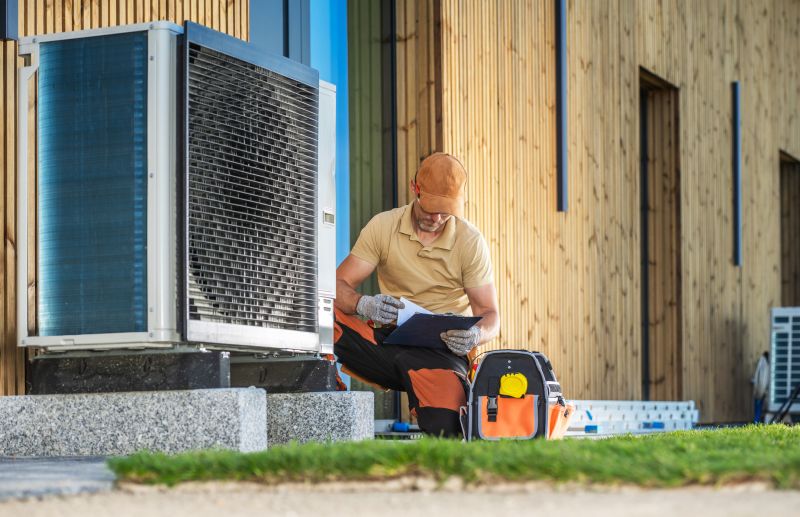
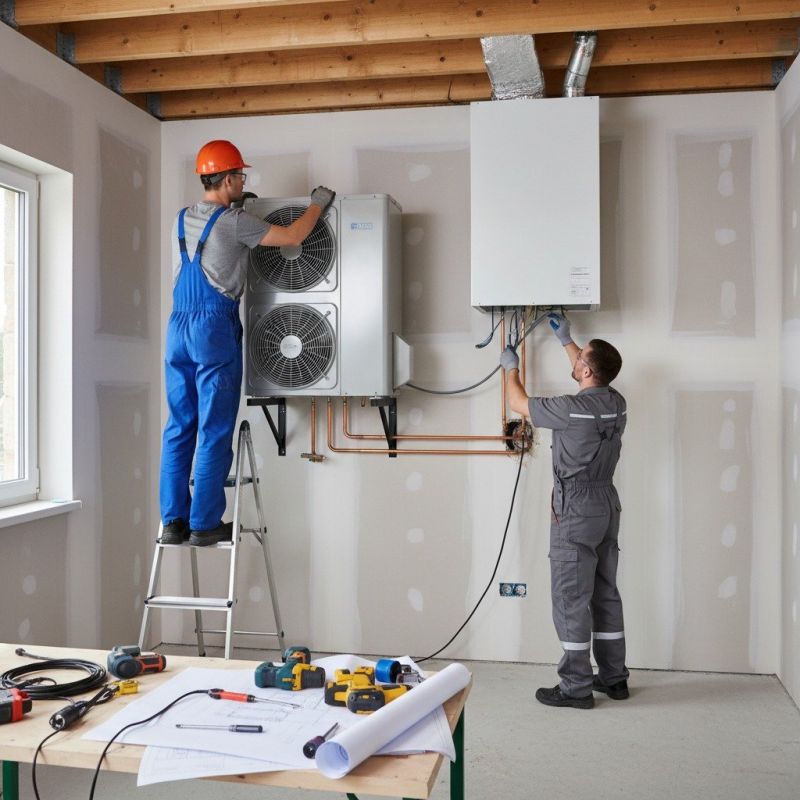
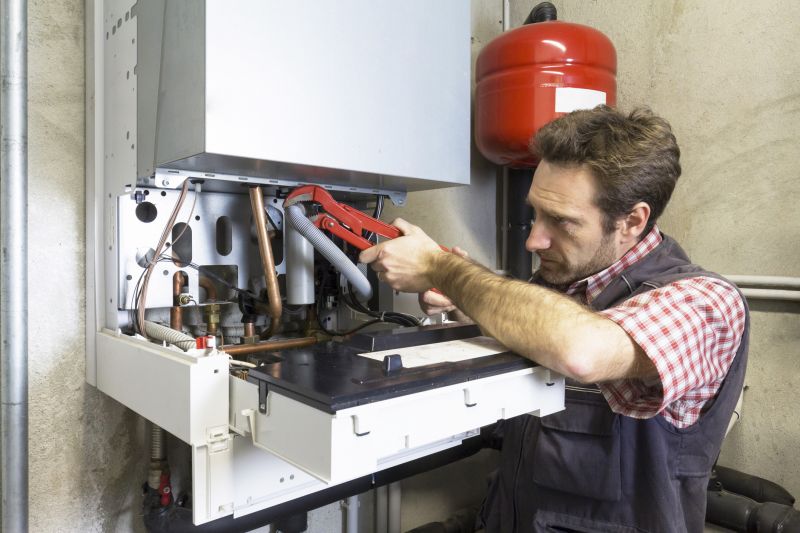
HVAC replacement services involve removing an outdated or malfunctioning heating, ventilation, and air conditioning system and installing a modern, efficient unit. This process typically includes evaluating the property’s heating and cooling needs, selecting the appropriate equipment, and ensuring proper installation for optimal performance. Professional contractors handle all aspects of the replacement to help ensure the new system operates reliably and efficiently, providing comfort year-round.
Replacing an HVAC system can address a variety of common problems, such as frequent breakdowns, rising energy bills, inconsistent indoor temperatures, or inadequate airflow. When older units become less effective or start to show signs of wear, upgrading to a new system can improve overall comfort and reduce maintenance issues. Service providers can also help identify whether an upgrade is necessary or if repairs might suffice, ensuring homeowners make informed decisions.
This type of service is frequently needed in residential properties, including single-family homes, multi-family buildings, and condominiums. Homeowners with aging HVAC units often turn to replacement services when their systems no longer meet their heating and cooling needs or when repairs become too costly. Additionally, properties undergoing renovations or upgrades may require a new HVAC system to support increased occupancy or new layouts, making replacement services a practical solution.
Homeowners should consider HVAC replacement if their current system is over 10-15 years old, shows signs of frequent repairs, or fails to maintain consistent indoor comfort. Other indicators include unusual noises, increased energy costs, or poor air quality. Local contractors specializing in HVAC replacement can assess the property’s specific requirements, recommend suitable systems, and handle the installation process to ensure the new unit functions effectively and efficiently.
The overview below groups typical Hvac Replacement projects into broad ranges so you can see how smaller, mid-sized, and larger jobs often compare in your area.
In many markets, a large share of routine jobs stays in the lower and middle ranges, while only a smaller percentage of projects moves into the highest bands when the work is more complex or site conditions are harder than average.
Smaller Repairs - typical costs for minor HVAC repairs range from $150 to $600, covering issues like thermostat replacements or minor component fixes. Many routine repairs fall within this range, though costs can vary based on parts and labor.
Mid-Range Replacements - replacing an entire HVAC system for a standard home usually costs between $3,000 and $7,000. Most projects in this category are straightforward replacements with moderate complexity.
Full System Replacement - larger, more complex HVAC replacements can reach $8,000 to $12,000 or more, especially for high-efficiency systems or larger properties. These projects tend to be less common but are necessary for extensive upgrades.
High-End or Custom Installations - premium HVAC systems or custom installations can exceed $15,000, depending on the scope and specifications. While these are less typical, local contractors can provide detailed estimates based on specific needs.
Actual totals will depend on details like access to the work area, the scope of the project, and the materials selected, so use these as general starting points rather than exact figures.
HVAC System Installation - This involves planning and installing heating, ventilation, and air conditioning systems, requiring similar skills in ductwork, system layout, and equipment handling as HVAC replacement projects.
Furnace Replacement - Replacing outdated or malfunctioning furnaces shares planning, wiring, and safety considerations with HVAC system upgrades.
Air Duct Replacement - Removing and installing new ductwork involves similar tools and planning to ensure proper airflow and system efficiency during HVAC upgrades.
Thermostat Installation - Upgrading or installing thermostats requires understanding of electrical connections and system compatibility, akin to HVAC system replacements.
Ventilation System Upgrades - Improving or replacing ventilation components involves planning and installation skills comparable to HVAC system upgrades for better air quality.
Indoor Air Quality System Installation - Installing air purifiers or humidifiers involves similar planning, wiring, and system integration as HVAC replacement services.
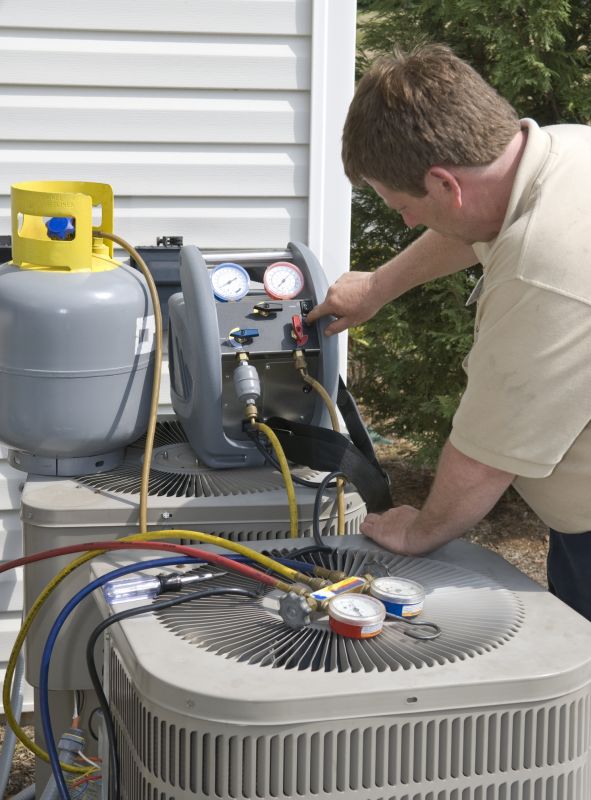
When comparing HVAC replacement service providers, it’s important to consider their experience with projects similar to your own. A contractor with a proven track record of handling systems comparable in size, type, or complexity can offer insights into their expertise and reliability. Asking about past work that aligns with your needs can help gauge their familiarity with the specific requirements of your home, ensuring that they understand the nuances involved in your project.
Clear written expectations are essential for a smooth process. Reputable service providers should be able to provide detailed estimates or proposals that outline the scope of work, materials, and any other relevant details. Having this information in writing helps prevent misunderstandings and ensures everyone is on the same page. It’s also beneficial to review how well the contractor communicates during initial conversations, as good communication is often a sign of a professional and transparent approach.
References from previous clients can provide valuable insight into a contractor’s reputation and work ethic. Reputable local contractors should be able to offer references or examples of completed projects. Listening to feedback from past customers can reveal the quality of their workmanship, reliability, and how they handle project management. Ultimately, choosing a service provider who demonstrates clear communication, experience with similar projects, and a good reputation can help ensure the HVAC replacement process goes smoothly and meets expectations.
Property owners use Hvac Replacement services for practical projects around their homes and businesses. This guide focuses on everyday jobs and straightforward project options.
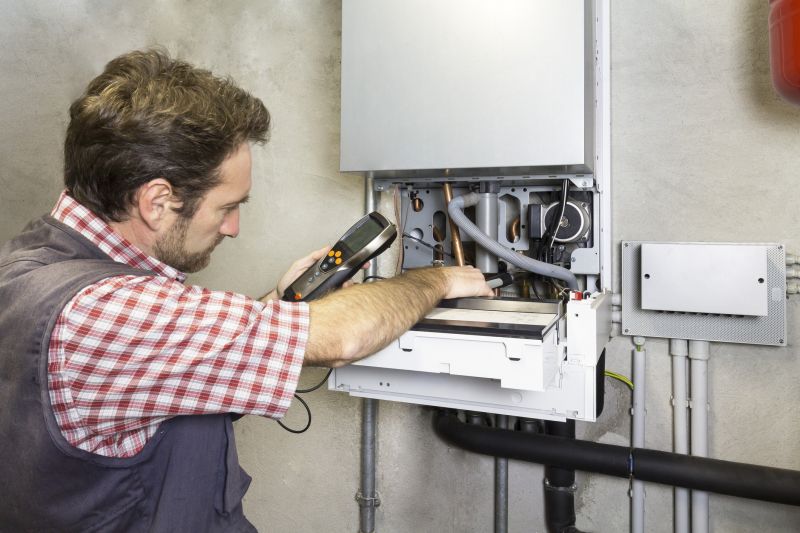
Hvac replacement services are often needed when property owners notice their heating or cooling systems becoming less efficient, noisy, or unreliable. Common situations include equipment reaching the end of its lifespan, frequent breakdowns, or rising energy bills that suggest the current system is no longer functioning optimally. Local contractors can assess these issues and recommend suitable replacement options to ensure comfort and efficiency within the property.
Property owners might also seek HVAC replacement when upgrading for better performance or to accommodate changes in the property, such as renovations or additions. In some cases, older systems may no longer meet the demands of modern appliances or living spaces, prompting the need for a new, more effective system. Local service providers are equipped to handle these projects, providing expert guidance and installation tailored to the specific needs of each property.
When should I consider replacing my HVAC system? Replacement may be recommended if your current system is frequently breaking down, no longer heats or cools effectively, or has reached the end of its expected lifespan. Consulting with local contractors can help determine if a replacement is appropriate.
What types of HVAC systems are available for replacement? There are various options including central air conditioning units, furnaces, heat pumps, and ductless mini-splits. Local service providers can help identify the best system based on your home’s needs and preferences.
How do I know if my home needs a new HVAC system? Signs include inconsistent temperatures, increased energy bills, strange noises, or frequent repairs. A professional assessment from local contractors can provide guidance on whether replacement is advisable.
Can replacing my HVAC system improve energy efficiency? Yes, modern systems often offer improved energy efficiency compared to older models, potentially reducing energy consumption when installed by experienced local service providers.
What should I consider when choosing a new HVAC system? Factors include the size of your home, system compatibility, efficiency ratings, and your comfort preferences. Local contractors can help evaluate these aspects to recommend suitable options.
HVAC Replacement Planning - Property owners can explore options for upgrading outdated or inefficient heating and cooling systems to improve comfort and energy efficiency.
Seasonal System Upgrades - Homeowners preparing for seasonal changes might consider replacing aging units to ensure reliable performance during extreme weather.
Modern HVAC Technologies - Property managers can look into installing newer, more efficient HVAC systems to reduce energy consumption and enhance indoor air quality.
Whole-Home Climate Solutions - Residents planning a home renovation can coordinate with local contractors to integrate HVAC replacements that support better temperature control throughout the property.
If you are thinking about Hvac Replacement for a property, this guide is meant to help you understand the work, the typical project types, and how different options might fit your plans.
When you are ready, you can use the quote form on this page to share a few details about your project. From there, local pros can review the basics and respond with options that match what you have in mind.